Benefits of VR
What VR can offer, and where it stops.
Possible benefits
Seven reasons to explore VR.
These benefits describe what VR may be able to offer. How much added value it brings varies by person, application and context.
Click a benefit to read more.

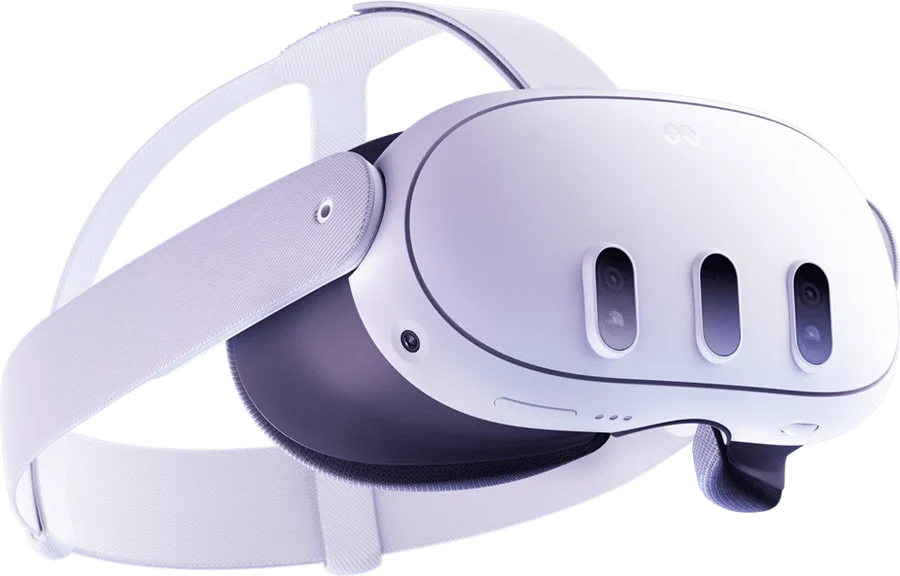
One headset, seven possibilities
01Immersion and presence
VR can make you feel as if you are really somewhere else. Everyday distractions can then temporarily fade into the background.
02A designed, defined environment
What you see and hear has been carefully composed. Pace, colour and sound can be tuned to calm or reflection.
03Individual experiences
A personal experience without social pressure. For some people, that makes it easier to reflect on themselves.
04Image and sound together
Visual worlds and soundscapes reinforce each other and can deepen the experience.
05Focused attention
A guided experience can direct attention: to the surroundings, the breath or a question for reflection.
06Flexible to use
From a moment of calm at work to part of a supported programme, depending on the context.
07Potentially accessible
For people who find it hard to talk about mental health, an experience can be an accessible first step.
Limits
What to bear in mind.
Not for everyone
Some people find VR unpleasant or are better off not using it for medical reasons.
Cybersickness
Dizziness, nausea or tired eyes can occur, especially with movement in VR.
Hardware needed
A VR headset is required, which brings costs and practical organisation.
Digital privacy
Usage data, and certainly health-related data, must be carefully protected.
Evidence and safeguards
Clinical use requires appropriate evidence, support and clear agreements.
Not a replacement for care
VR does not replace a GP, psychologist or other healthcare professional.
Perspective
A complement, not a replacement.
VR is not by definition more effective than a walk, a conversation or a proven treatment. It is a different tool, with its own possibilities and its own groups of people who enjoy it. The value of VR in mental health often lies in the combination: an immersive experience as a complement.
View the research

Free on-site demo
Discover for yourself how VR feels.
The best way to understand the possibilities and limits is to experience it yourself. We are happy to visit you for a free demo.