This is a draft article and has not yet been officially published.
Science & researchDraft5 min read
VR relaxation at work: what does the research say?
More and more studies are looking at short VR moments for employees in busy professions. What do they show, and where are the limits?
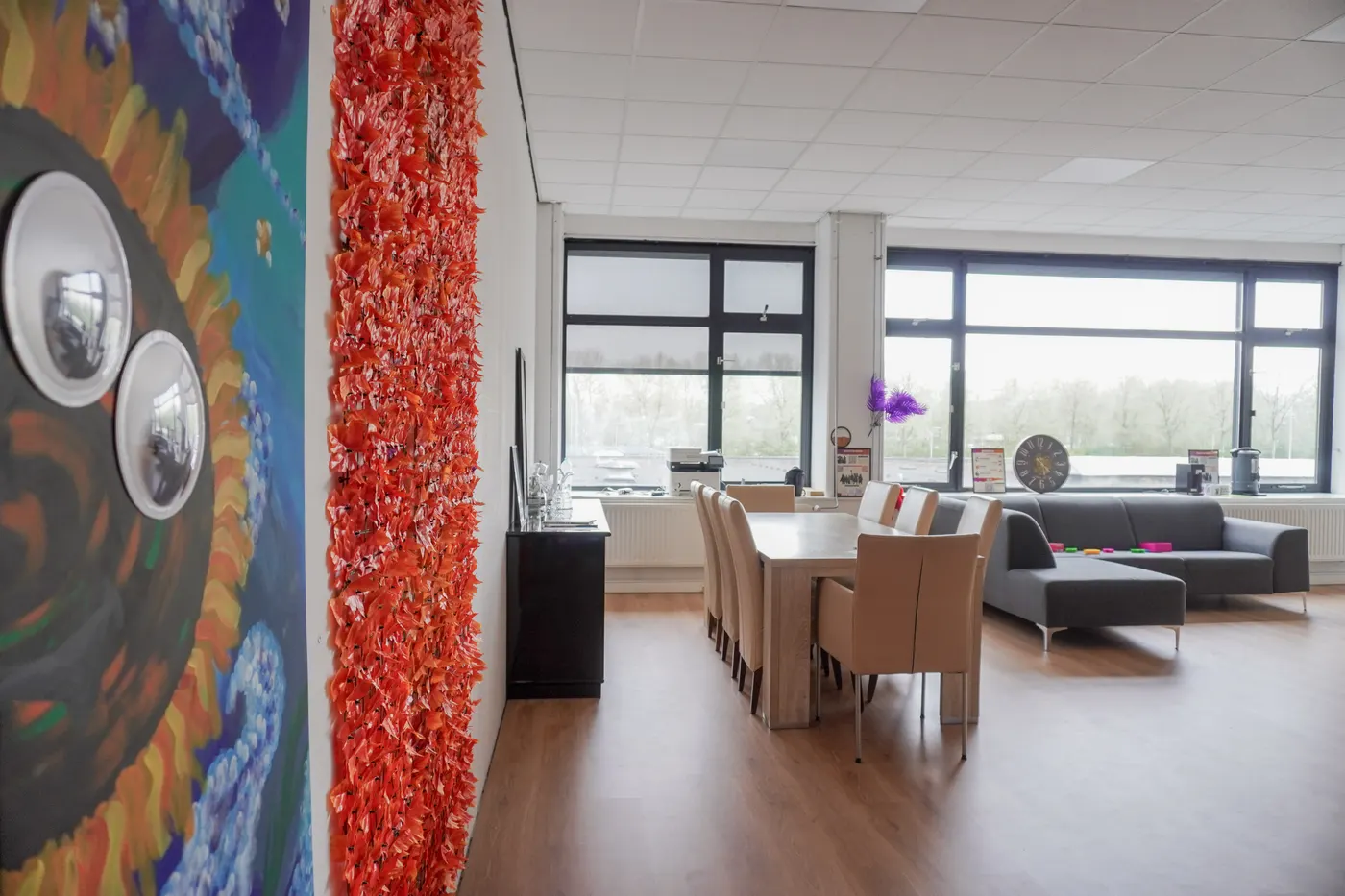
Workload and mental strain are high on the agenda of many organisations. At the same time, it is hard to really switch off during a busy working day. Researchers are therefore looking at VR as a way to offer a calm, defined environment in a short time.
What research shows
A systematic review by Riches and colleagues (2021) brought together 19 studies on VR relaxation in the general population. The authors found indications of feasibility, acceptability and short-term effects on stress. In a pilot study among 35 emergency physicians, perceived stress fell immediately after a VR meditation of 6 to 8 minutes (Birrenbach et al., 2025).
And what it does not yet show
- Many studies are small and have no control group.
- Little is known about long-term effects.
- Results from research do not automatically apply to every VR product.
For organisations, this means: VR can be an interesting complement to a wellbeing policy, but not a replacement for attention to workload, working conditions and professional support.